 QUALITY PET FOOD AWARDS
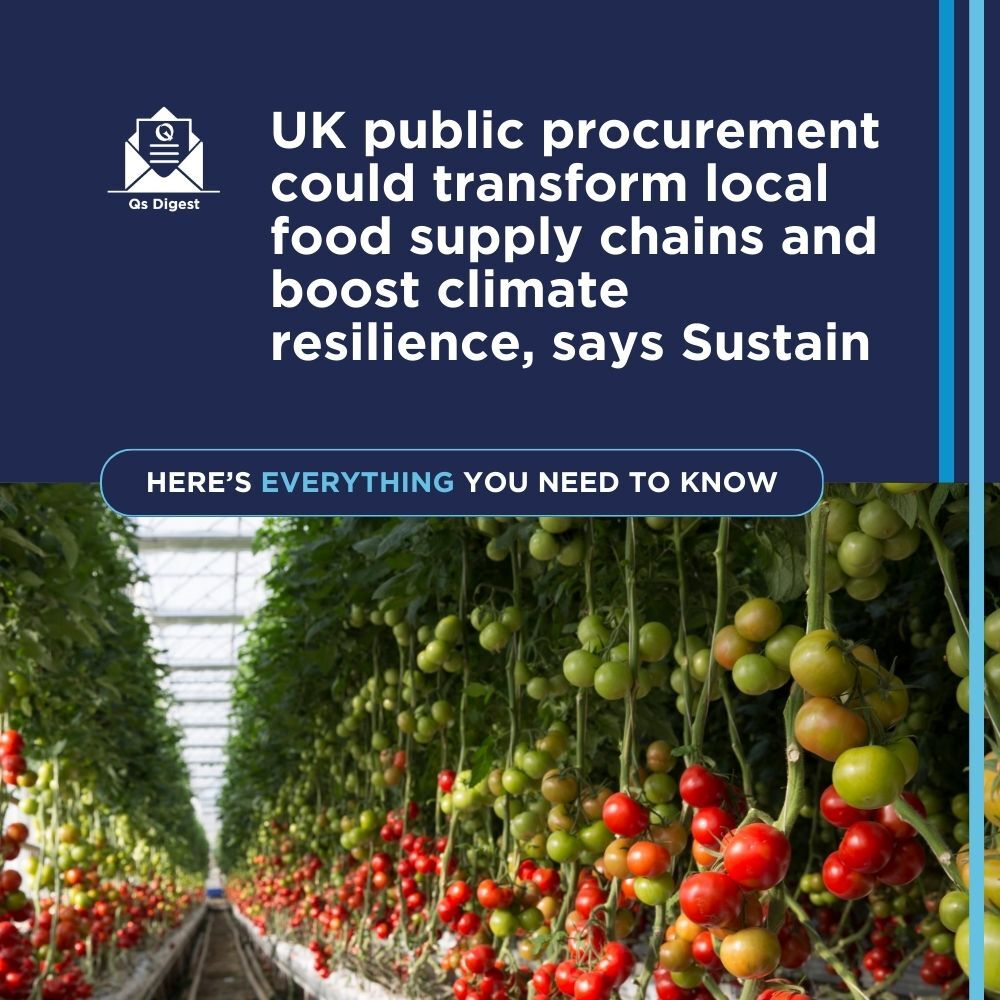
UK public procurement could transform local food supply chains and boost climate resilience, says Sustain
A new report by Sustain highlights how targeted government investment in local agroecological growers via public food budgets can enhance food security, support small producers, and reduce environmental impacts, with successful pilot projects across the UK demonstrating the potential of locally sourced, organic school meals.
War and extreme weather are exposing vulnerabilities in Britain’s food supply, and a new analysis from the environmental charity Sustain urges ministers to use public procurement to strengthen local horticultural economies while improving health and cutting environmental harms. The Bridging the Gap report argues that directing a larger share of the £5 billion annual public food budget towards British agroecological growers could expand market opportunities for small and medium-sized producers and help deliver healthier, lower‑impact diets in schools and other public institutions. According to Sustain, the approach would also support the government’s pledge to source half of public-sector food from local or sustainable supply chains.
Sustain’s research draws on nine pilot projects across the UK that connected nature‑friendly farmers, wholesalers and caterers to create reliable routes into public-sector kitchens. Three school-based pilots in Scotland, England and Wales are highlighted as particularly instructive: they show how targeted investment and supply‑chain facilitation can turn intermittent local production into steady contractual supply for schools. The charity says those pilots reached more than 75,000 pupils, around a third of whom live in low‑income areas, with organic fruit and vegetables.
The Welsh Veg in Schools scheme is presented as an example of rebuilding regional capacity by linking small organic growers with school caterers, while the Give Peas a Chance! project in Aberdeen introduced locally produced organic split peas into school menus. Sustain credits intermediaries such as Soil Association Scotland and Food Sense Wales with convening stakeholders, resolving logistical barriers and scaling procurement to make these purchases feasible for public kitchens.
London pilots delivered by Growing Communities and the Better Food Shed showed how urban schools can replace imported, non‑organic vegetables with seasonal, nearby supplies and fold tasting and food education into the programme. A separate Hackney pilot sought to demonstrate that primary schools can offer entirely organic fruit and vegetables over a sustained period without sacrificing cost control or menu appeal, giving local producers a reliable customer and pupils repeated exposure to varied seasonal produce.
Sustain’s report emphasises that closing the “missing middle” in horticultural supply chains requires coordinated horticulture strategies, capital for food infrastructure and price mechanisms that narrow the gap between organic and conventional produce. According to the charity, the pilots succeeded in keeping money in local economies, securing fairer returns for growers and lowering the carbon and ecological footprint of the food served.
Advocates say public procurement is a potent lever because it generates predictable demand at scale. A learning exchange hosted in Manchester brought farmers, wholesalers and caterers together to share lessons from the pilots and to map practical steps for replication, from aggregator development to procurement clauses that favour agroecological practices. Industry observers argue that, if adopted widely, such measures could create new year‑round markets for smaller growers and bolster resilience against supply shocks driven by conflict or climate events.
Sustain is now pressing government departments to translate the pilots’ lessons into national policy by investing in local infrastructure, adapting contracting frameworks to suit smaller suppliers and prioritising agroecological production in public‑sector food buying. The charity contends that doing so would simultaneously strengthen rural and regional economies, raise dietary quality among children and reduce food’s environmental impacts.