 QUALITY PET FOOD AWARDS

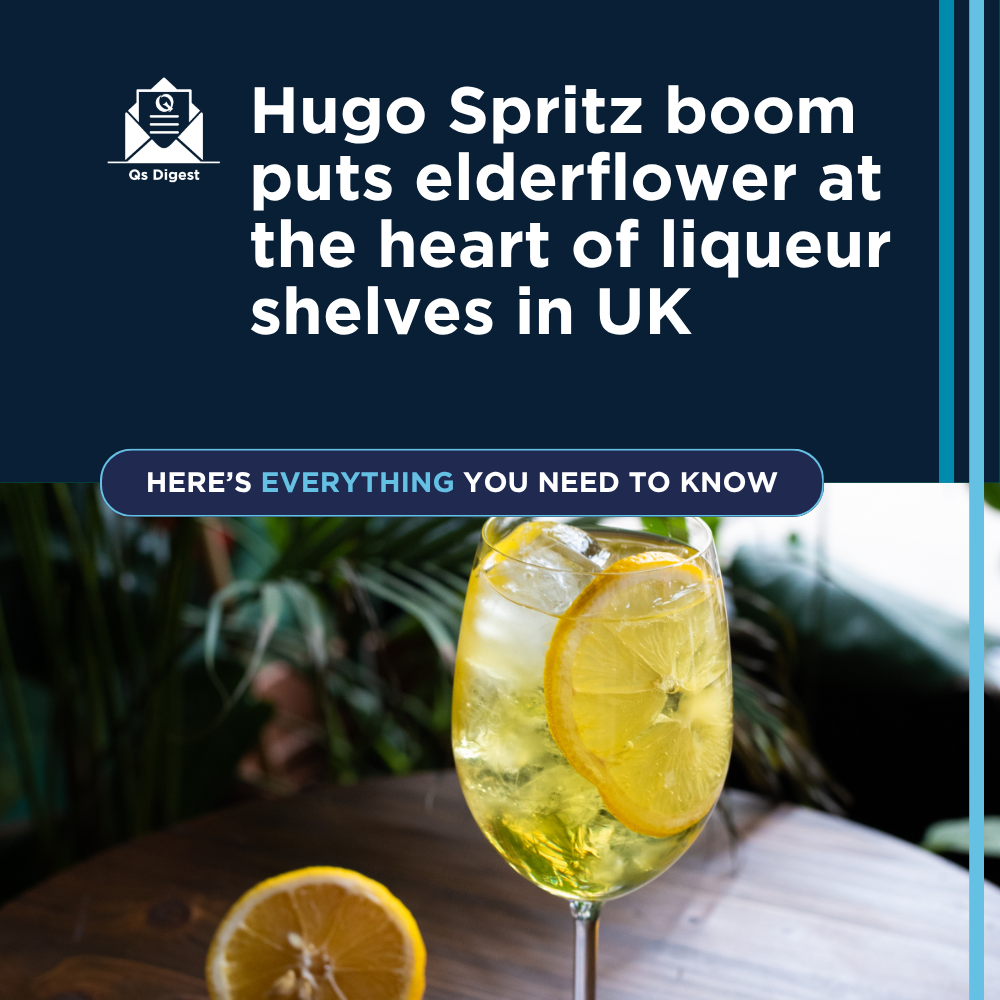
Hugo Spritz boom puts elderflower at the heart of liqueur shelves in UK
Elderflower, chilli and limoncello are gaining ground as cocktail fashions reshape liqueur sales, prompting retailers to build ranges around flavours and pair bottles with the ingredients shoppers need for the serve.
Liqueurs may be expanding in independent grocery, but the category’s overall growth masks a more useful truth for shelf planners: performance is being driven by individual flavours, not by the broad label itself. Nick Gillett of spirits distributor Mangrove Global argues that retailers should think in terms of a small core range built around the flavours shoppers are actually encountering in drinks out of home, and then be prepared for that mix to shift again within a couple of years. In practice, that means choosing a few base flavours and accepting that the winners are likely to change as cocktail trends evolve.
Elderflower is the clear standout this year, lifted by the Hugo Spritz, while chilli has also gained ground through spicy Margarita serves and limoncello has broken into the leading tier. The Guardian reported that Square till data showed Hugo orders in British bars, cafés and restaurants rising by 196 per cent in the three months to June 2026 compared with a year earlier, making it the country’s fastest-growing cocktail in that period. That same shift is visible in mixed-drink trends more broadly: NielsenIQ says spritzes remain a major cocktail occasion, with lightness, refreshment and recognisable branding helping to drive purchases, while Bacardi’s 2026 cocktail trends report points to a growing appetite for lighter afternoon and early evening drinking occasions.
For retailers, the commercial lesson is less about the bottle and more about the serve. The core of the trade is that most liqueurs are bought to be used in cocktails, so a shopper picking up elderflower liqueur in September is very likely planning a Hugo and will also need prosecco, soda water and mint. Gillett’s advice is to merchandise those items together so the customer can assemble the whole drink in one visit, turning a single bottle sale into a larger basket and making the bottle easier to understand at the point of purchase. Shelf cards that name the drink, rather than merely the ingredient, can do more work than a generic flavour description.
Premiumisation still matters, but not always in the way spirits producers like to present it. Brand familiarity and bottle recognition often carry more weight than provenance, because consumers tend to choose what they have seen bartenders use, and they are generally more confident buying a label they already know. Gillett says the right flavour at the right price point is often more important than a romantic origin story, particularly in a category that is large, fragmented and full of innovation. The result is a discovery-led aisle, where a familiar name can sit alongside a more unusual line and where the retailer’s job is to show shoppers how to use both.
That helps explain the role of ready-to-drink products. Rather than acting as a straightforward entry point into bottled liqueurs, canned spritzes and similar serves function as a separate occasion: immediate, convenient and designed for one drink now rather than a bottle for later. Industry commentary on RTD partnerships suggests they can reinforce brand awareness, extend a range and make a premium proposition feel easier to try, but they do not replace the home-cocktail mission of the bottle on shelf. Gillett’s conclusion is straightforward: stock what people are actually drinking, refresh the range regularly, and do not be afraid to back an unfamiliar flavour if the serve is clear and the trend is real.