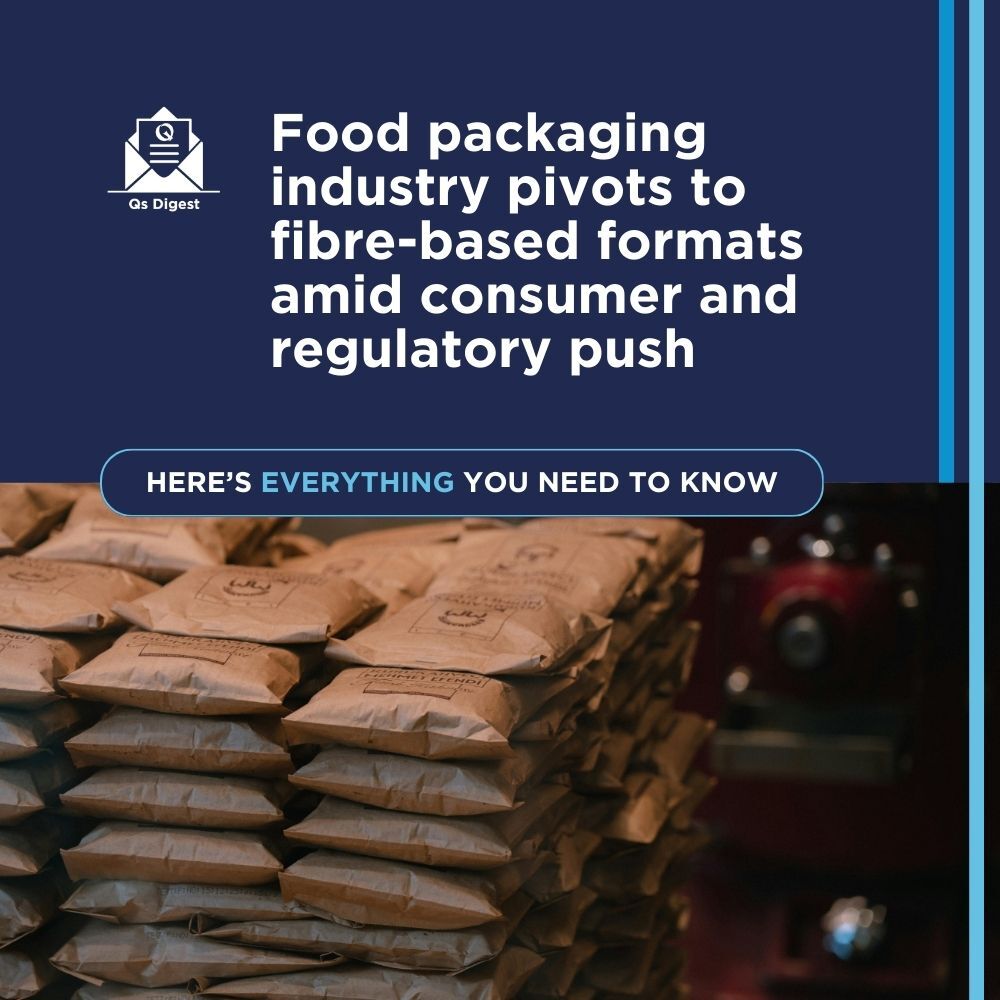
Food packaging industry pivots to fibre-based formats amid consumer and regulatory push
The global food packaging sector is experiencing a significant shift towards paper and fibre-based solutions driven by consumer preferences, technological advancements, and regulatory pressures aimed at reducing plastic waste and promoting recyclability.
Global food packaging is in the midst of a material realignment as manufacturers and retailers move away from single‑use plastics toward paper and fibre-based formats that promise easier recycling and lower environmental footprints. Industry observers say this transition is being driven as much by functional requirements, lightweight protection, transport durability and shelf‑life, as by consumer demand for renewable materials.
Younger consumers in particular are accelerating the shift. Research and market commentary show Gen Z and millennial shoppers place outsized value on recyclability and biodegradability, and many are prepared to pay a premium for packaging that aligns with those priorities. Regulatory pressure, from single‑use bans to circular‑economy targets, is reinforcing that behavioural change and nudging brands to redesign formats.
Certain product groups are leading the migration to paper. Hot beverages, confectionery and dairy have seen disproportionate growth in paper‑based launches as companies test paper pouches, paper‑wrapped portions and moulded paper trays that balance presentation with protection. At the same time, designers are experimenting with new form factors, flat paper pouches, reinforced paper caps and rigid cardboard snack boxes, that retain convenience for on‑the‑go consumption.
That experimentation has been matched by rapid development in barrier technologies. Coated and barrier‑treated paperboards now address long‑standing objections about moisture, grease and oxygen permeability, while heat‑sealable paper films and compostable laminates offer alternatives to traditional plastic liners. Suppliers and converters are increasingly promoting mono‑material constructions and recyclable coatings to simplify end‑of‑life processing.
Large food companies are already converting mainstream SKUs to fibre formats where feasible. Examples cited in trade reporting include snack brands that replaced polymer bags with fully recyclable cardboard boxes designed for reuse and longer service life, along with on‑pack messaging to encourage secondary uses. These commercial moves aim to cut plastic waste without compromising shelf visibility or transport performance.
Looking ahead, observers identify several priorities for wider adoption: improved barrier properties that match or exceed plastic performance, standardised curbside‑recyclable laminates, greater use of recycled and locally sourced fibre, and scaling of closed‑loop collection systems. Innovations such as active or smart packaging and clearer carbon‑footprint labelling are also likely to shape purchase decisions and regulatory expectations.
Taken together, recent market research projects robust growth for paper‑led sustainable packaging across multiple segments, with boxes and cartons remaining the largest revenue contributors and flexible paper solutions expanding fastest. The combined forces of consumer preference, regulation and technological advance suggest paper‑based formats will remain central to food packaging strategy over the coming decade.