
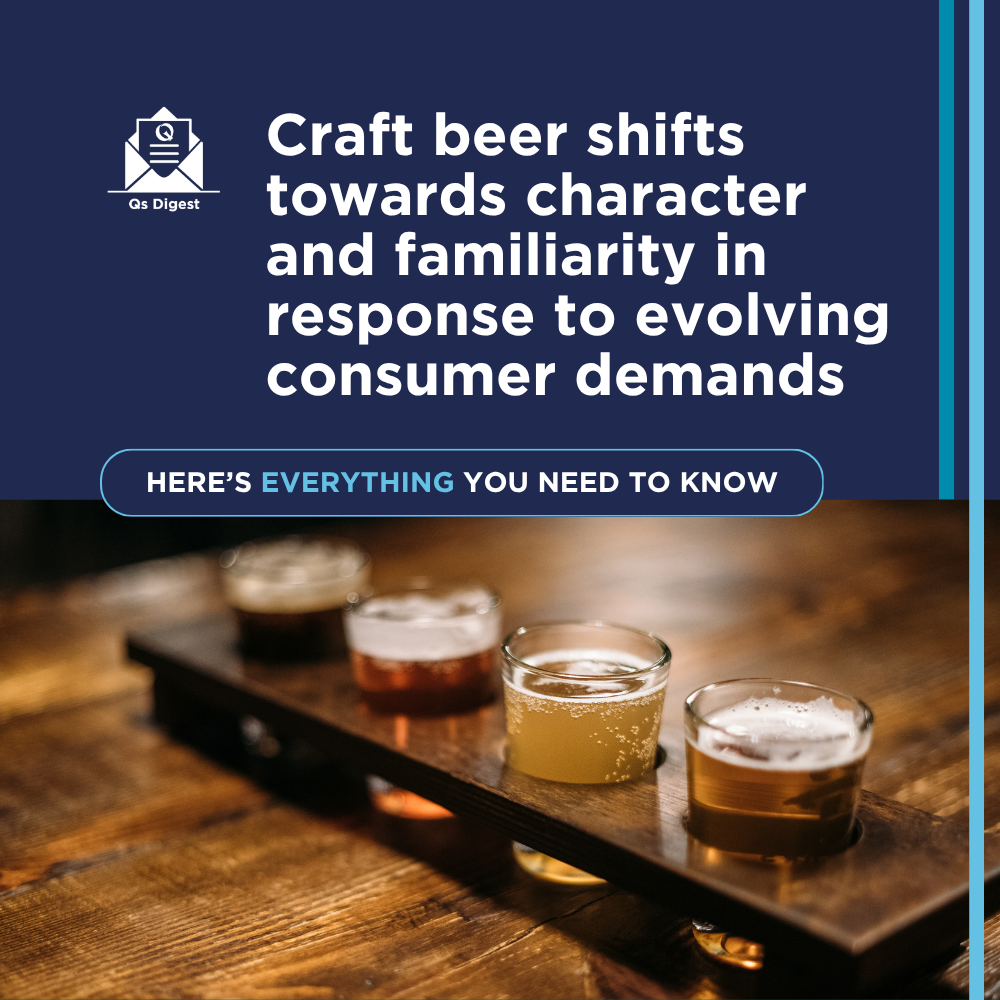
Craft beer shifts towards character and familiarity in response to evolving consumer demands
The craft beer industry is recalibrating, favouring balanced, approachable styles over extremes, amid declining volumes and changing consumer preferences. Experimentation with familiar formats and flavours rooted in global cuisines and tradition is shaping the next chapter, with sustainability and quality taking centre stage.
Craft beer’s next chapter may be less about shock and more about recalibration. According to the material from Beer & Brewing, the industry has moved from the era of punishing bitterness and extreme alcohol levels towards a more measured, drinkable style of brewing, with hazy IPAs, polished lagers and other balance-led beers now occupying far more of the conversation. Related trend round-ups for 2026 point in the same direction, describing a correction away from the old excesses of the IPA boom and towards clearer, more approachable beers, including West Coast pilsners and traditional lager styles.
That shift is happening against a more difficult backdrop. The article notes shrinking beer volumes, ageing craft audiences and younger drinkers who are either cutting back or moving away from alcohol altogether, while industry commentaries for 2026 also highlight the rise of low- and no-alcohol options as a mainstream rather than fringe category. Brewers are therefore trying to satisfy two often conflicting demands at once: consumers still want flavour and a sense of occasion, but they also want lighter, healthier-feeling choices and less commitment from what they drink.
A recurring theme in the piece is that novelty works best when it is anchored in something familiar. The author argues that drinkers are more willing to try unfamiliar ingredients when they are paired with recognisable cues, a lesson that mirrors wider consumer-trend reporting on “newstalgia” and on products designed to “make me feel something”. That can mean familiar formats recast with a twist, whether through fruit combinations, layered flavours, or textures that offer a more theatrical drinking experience.
The same logic extends to flavour development. The article points to global cuisines, hyper-local ingredients and foraged components as increasingly fertile territory for brewers seeking distinction, while noting that these ideas are often borrowed from tea, ice cream and cocktail culture before they reach mainstream beer. Other 2026 trend summaries reinforce that experimentation remains central to the category, particularly where sour ales, novel flavour combinations and culturally informed styles can create a sense of discovery without alienating consumers.
Even so, the piece suggests there is no single formula for what comes next. Clean labelling, ethical sourcing, lower alcohol, functional ingredients and sustainability all compete for attention, but rarely in the same product at once. The likeliest winners, it argues, will be beers that combine restraint with character: styles that feel current without seeming gimmicky, and that offer enough familiarity to lower the barrier to trial while still giving drinkers something new to talk about.
Do you produce or sell ready-to-drink cocktails here in the UK? We would love to hear from you! Take a look at our Ready to Drink & Mixed Drinks category today. Entries are still open! UK Quality Food & Drink Awards 2026 - 2026 Low, RTD & Speciality Drinks categories