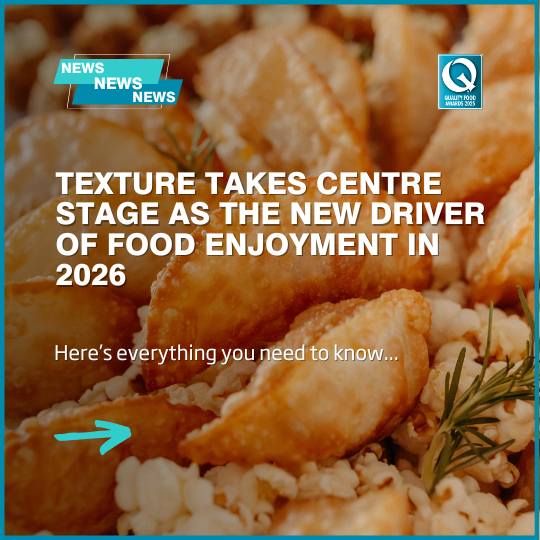
Texture takes centre stage as the new driver of food enjoyment in 2026
Recent research reveals that texture now surpasses flavour as the primary factor in food enjoyment, transforming how bakery and snack products are designed and marketed to meet the evolving tastes of modern consumers, especially Gen Z and millennials.
Texture has emerged as the foremost driver of consumer enjoyment in bakery and snack products, overtaking flavor as a key factor in how people experience food. According to recent research by Puratos, 71% of consumers identify texture, or mouthfeel, as crucial to their food enjoyment, while 67% actively seek novelty in texture. This shift marks a profound evolution in the sensory relationship consumers have with their food, where the interplay of contrasting textures, such as soft with crunchy or creamy with crisp, creates moments of surprise and delight that resonate deeply with modern consumers.
This trend is particularly pronounced among younger demographics. Nearly two-thirds of Gen Z consumers express a preference for soft textures in sweet snacks, with more than half favouring chewy sensations. Texture has not only become a driver of enjoyment but a critical factor in brand loyalty; studies from Ingredion highlight that 72% of consumers would switch brands if the texture of a product failed to meet their expectations. The sensory dimension of food is now a primary measure of quality, with "sensory depth" emerging as a new benchmark. Products combining multiple textures, like creamy and crisp or soft and snappy, are perceived as more engaging and indulgent, turning mere eating into a multi-layered experience.
Online data and social media trends reflect this growing obsession with texture. Searches related to layered desserts and chewy-crisp treats have surged sharply, with queries for items like 'seven-layer chocolate cake' increasing over 120%, and 'chocolate crinkles chewy and moist' rising by 184%. Meanwhile, social media platforms have propelled texture-focused content, with the hashtag #CrunchTok amassing more than 1.5 billion views, illustrating how texture transcends taste to become a shared cultural experience. According to Laurence Herbert, CMO at Puratos, such real-time consumer insights granted by their Taste Tomorrow platform enable manufacturers to anticipate and shape emerging trends, rather than merely reacting to them after they gain traction.
Industry reports underline the broad cultural and emotional significance of texture beyond simple sensory pleasure. Nestlé USA’s 2026 Food & Beverage Trends report reveals that about half of consumers now regard texture as equally important as flavour, with even higher emphasis among Gen Z and Millennials, where 75-80% say texture defines their cravings. Similarly, ADM’s 2026 Flavor and Color Trends report describes a desire for "tantalizing taste and texture theatre," highlighting consumers’ appetite for foods that provide a sensory performance balancing indulgence with comfort. In India, research by IFF shows that children associate soft and melty textures with feelings of joy and love, suggesting texture is also tied to deep emotional experiences.
On supermarket shelves and menus, these insights manifest in innovative product formats that incorporate "texture mashups." Examples include cakes with crunchy bases topped by creamy layers, cookies that offer a crisp exterior with a gooey centre, and pastries marrying flaky and smooth elements. Snack producers are also adopting cross-category innovations, blending textures from different food types, for instance, mousse-filled biscuit bars or granola that balances crispiness and chewiness. The descriptive language used in menus and marketing has evolved accordingly, with terms like “soft,” “smooth,” and “velvety” appearing as frequently as traditional flavour descriptors like “sweet” or “spicy.” Packaging and branding now often evoke texture cues visually and audibly, allowing consumers to imagine the sensory experience before tasting.
From a commercial perspective, texture is more than an aesthetic or culinary detail, it is a significant business advantage. Market forecasts from Future Market Insights project that the global textured-ingredient sector will grow at over 6% annually through 2030, driven largely by bakery and snack innovation. Euromonitor echoes this trend, pinpointing the "indulgent-yet-better" market where texture signals quality and satisfaction while providing sensory justification for guilt-free indulgence. Moreover, because textured foods perform well visually and aurally on social media, they contribute substantially to brand awareness and consumer engagement.
For manufacturers and product developers, the challenge lies in integrating texture strategically from the earliest phases of research and development. Successful products result from meticulous attention to structure, moisture balance, and ingredient inclusion, rather than adding texture as an afterthought. Close collaboration with suppliers and rigorous testing for mouthfeel alongside flavour are crucial to delivering the sensory drama today’s consumers crave.
In sum, texture has evolved from a secondary sensory attribute into a central language of indulgence that shapes modern eating experiences. As consumers increasingly seek foods that surprise and engage their senses on multiple levels, the fusion of contrasting textures offers both pleasure and emotional connection. For bakeries and snack producers, embracing texture is not just about making tastier products, it is about crafting moments of sensory delight that customers eagerly return for, positioning texture as the defining hallmark of food enjoyment in 2026 and beyond.